Frozen Storage in Jeddah: The 2026 Cold-Chain Playbook
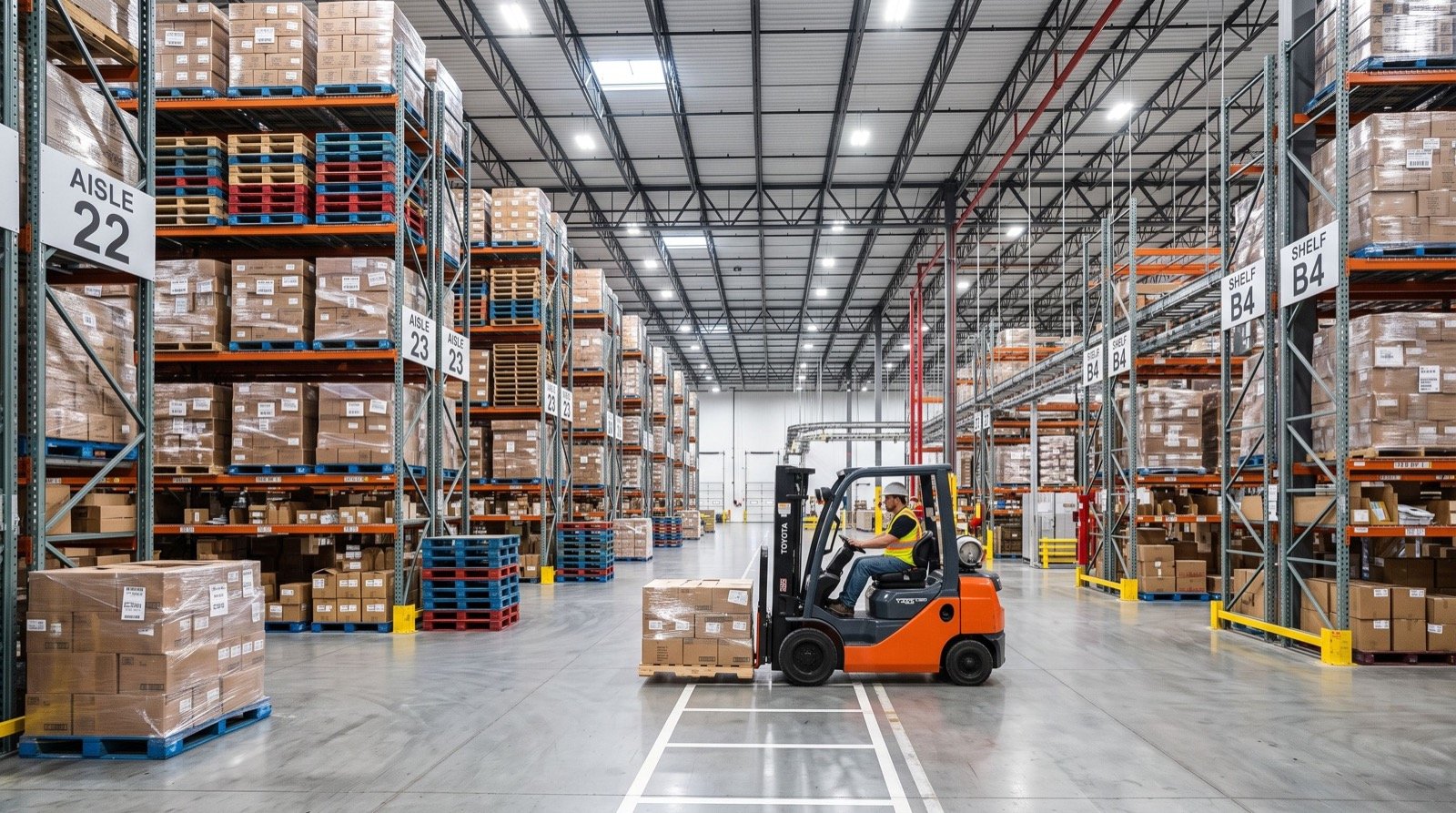
Frozen storage in Jeddah keeps the city’s restaurants, importers, and seafood traders in business. Positioned on the Red Sea and served by one of the region’s busiest ports, Jeddah handles enormous volumes of frozen imports every week. When those goods stay locked at the right sub-zero temperature, they arrive perfect. When the cold chain breaks, the losses are brutal and immediate.
This playbook breaks down how frozen warehousing works, what quality looks like in practice, and how to choose a facility that protects your products through Jeddah’s punishing heat. Expect straight talk, practical checklists, and answers to the questions operators ask most.
Why Frozen Storage in Jeddah Is Different
Jeddah’s climate is unforgiving. High humidity combines with temperatures that stay warm well into the night, so any lapse in a freezer’s performance shows up fast. A facility here must maintain a rock-steady internal temperature, usually between -18°C and -25°C, regardless of how brutal the weather is outside.
The port traffic adds another layer. Goods often move from ship to warehouse to delivery van within hours, and every transfer point is a chance for temperature to creep. The best operators design their entire workflow around eliminating those gaps.
The Seafood and Import Factor
As a coastal trade gateway, Jeddah moves vast quantities of fish, shrimp, and imported frozen meat. These products are especially sensitive to thaw-refreeze cycles, which ruin texture and breed bacteria. A single warm spell during handling can turn premium stock into waste, so documented, unbroken freezing is non-negotiable.
What Defines a Reliable Frozen Facility
Before you trust a warehouse with your inventory, confirm it ticks every box below.
- Stable sub-zero control: Continuous monitoring with automatic alerts.
- Redundant refrigeration: Backup compressors so one failure never spoils a load.
- Standby generators: Instant power during outages, tested regularly.
- Rapid blast freezing: Brings fresh goods to core temperature quickly.
- Full traceability: Batch-level logs ready for inspection.
Dependable Frozen Storage in Jeddah combines all of these into one seamless service, giving you confidence that stock stays safe from arrival to dispatch. Ask any prospective partner to demonstrate each capability, not just describe it.
Frozen Storage Temperature Guide
Different products demand different freezing points. Use this reference before booking space.
| Product | Recommended Temperature | Typical Shelf Life |
|---|---|---|
| Seafood & shrimp | -18°C to -25°C | 6 to 12 months |
| Red meat & poultry | -18°C | 6 to 12 months |
| Ice cream | -22°C or lower | 3 to 6 months |
| Frozen vegetables | -18°C | 8 to 12 months |
These figures align with international food-safety guidance. The World Health Organization stresses that maintaining a consistent cold chain is essential to preventing foodborne illness, a principle that underpins every reputable frozen facility.
How Do Restaurants Use Frozen Storage in Jeddah?
Restaurants are among the biggest users of frozen warehousing, and for good reason. Renting external freezer space lets a kitchen buy in bulk, lock in prices, and free up cramped on-site freezers for daily service.
Here is how a typical restaurant workflow uses off-site freezing.
- Buy proteins and prepped items in bulk at wholesale rates.
- Store the bulk stock in an external frozen facility.
- Pull weekly quantities to the on-site freezer as needed.
- Track usage to reorder before running low.
- Keep documentation ready for municipal inspections.
This model turns a chaotic supply routine into a predictable one. Purpose-built Storage for Restaurants supports exactly this rhythm, and pairing it with an experienced local team means fewer surprises and tighter cost control.
Cutting Costs Without Cutting Corners in 2026
Freezing is energy intensive, so savvy operators look for efficiency wins that do not compromise safety.
- Consolidate deliveries to reduce door openings that let cold escape.
- Choose shared frozen hubs to pay only for the space you use.
- Prioritise well-insulated facilities that hold temperature on less power.
- Rotate stock with FIFO to avoid write-offs from expired goods.
Small operational changes add up to significant annual savings, especially as energy prices remain a live concern across the region this year.
Preparing Goods for Frozen Storage the Right Way
The freezer only preserves what you give it. Products that arrive warm, wet, or badly packed never recover their quality, so preparation is half the battle. Follow the essentials below every time.
- Freeze fast, freeze fresh: Get goods to core temperature quickly to lock in texture and nutrients.
- Seal against freezer burn: Airtight, moisture-proof packaging prevents dehydration and off-flavours.
- Portion before freezing: Smaller units freeze faster and let kitchens thaw only what they need.
- Label clearly: Contents, batch, and date on every carton keep rotation honest.
- Avoid overloading: Cramming a freezer blocks airflow and creates warm pockets.
These steps matter most for seafood and prepared meals, where a single thaw-refreeze cycle can ruin an entire batch. A disciplined intake process, paired with a facility that blast-freezes on arrival, gives your products the longest, safest shelf life possible.
A Lesson From the Loading Dock
Experienced cold-chain operators know the riskiest moment is not inside the freezer but at the door. During loading and unloading, goods sit exposed to Jeddah’s heat, and every extra minute pushes their temperature up. The best facilities stage transfers under insulated canopies, move quickly, and check core temperatures on arrival. When you tour a warehouse, watch how the team handles this handover; brisk, organised transfers are the clearest sign of a partner who truly protects your stock.
Frequently Asked Questions
What temperature should frozen storage maintain?
Most frozen goods require -18°C or colder, with seafood and ice cream often needing -22°C to -25°C. A quality facility holds these ranges continuously and alerts staff instantly if temperatures drift.
How much does frozen storage in Jeddah cost?
Costs are usually charged per pallet per month and run higher than chilled or ambient space because freezing uses more energy. Shared, pay-as-you-go plans make it affordable for smaller businesses.
Can frozen storage handle sudden power cuts?
Reliable facilities use standby generators and backup compressors. Well-insulated rooms also hold temperature for hours, giving ample time for backup systems to engage.
Is short-term frozen storage available for events?
Yes. Caterers and event planners frequently rent frozen space for a few weeks around peak seasons such as Ramadan and Hajj, then scale back afterward.
Conclusion: Freeze With Confidence
Getting frozen storage in Jeddah right protects your margins, your customers, and your compliance record. Focus on stable sub-zero control, redundant refrigeration, standby power, and full traceability, then match your temperature bands to each product you handle.
If you move seafood, meat, or bulk restaurant supplies through Jeddah, do not gamble on an unproven freezer. Speak with a certified cold-chain partner, request a transparent quote for 2026, and keep your stock frozen solid from port to plate.